What Squareword Is
Squareword is a browser-based word puzzle game that challenges players to complete a full grid of interconnected words. Unlike traditional word games where the focus is on guessing a single hidden word, Squareword requires solving multiple words at the same time. Each letter placed in the grid is part of both a horizontal and vertical word, which makes the puzzle more complex and logically demanding.
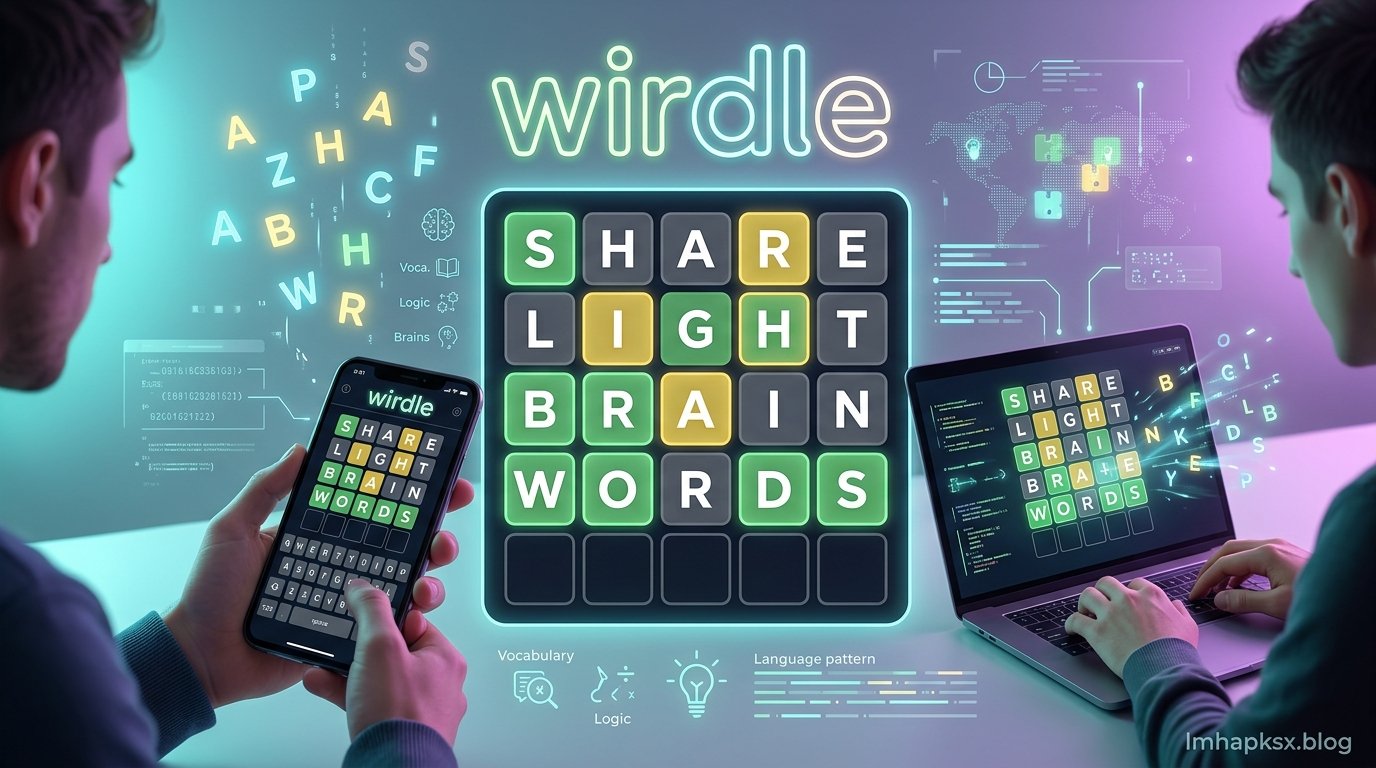
The game is often described as a two-dimensional version of Wordle because it uses similar feedback mechanics but expands them into a grid format. Instead of solving one word in isolation, players are essentially solving a network of words that must all fit together correctly. This structure turns a simple word-guessing activity into a deeper puzzle experience that relies heavily on pattern recognition and logical deduction.
How Squareword Works
Squareword works by presenting players with a partially hidden square grid, most commonly 5×5 in size. The goal is to fill every row and column with valid English words. Players enter guesses, and each guess is evaluated based on how close it is to the correct solution. The game provides feedback that helps narrow down possibilities, guiding the player toward the correct letters and placements.
Each attempt affects multiple parts of the grid at the same time. A single word guess does not only reveal information about that row, but also impacts the vertical words that intersect with it. This interconnected system means that progress is rarely linear. Instead, players must constantly adjust their thinking as new information emerges from each guess, gradually building toward a complete solution.
Game Origin and Background
Squareword emerged as part of the modern wave of online word puzzle games inspired by the success of Wordle. During the rise of daily puzzle games, many developers experimented with variations that increased complexity while keeping the core idea simple and accessible. Squareword was created in this environment as a more advanced alternative for players who wanted a deeper challenge.
The game reflects a design philosophy focused on minimalism and logic-based play. Instead of relying on hints or definitions, Squareword depends entirely on structured feedback and deduction. This makes it different from crossword-style puzzles and closer in spirit to logic grids, where every decision influences multiple outcomes. Over time, it gained attention from puzzle enthusiasts looking for something more mentally engaging than standard word guessing games.
Squareword Grid Structure
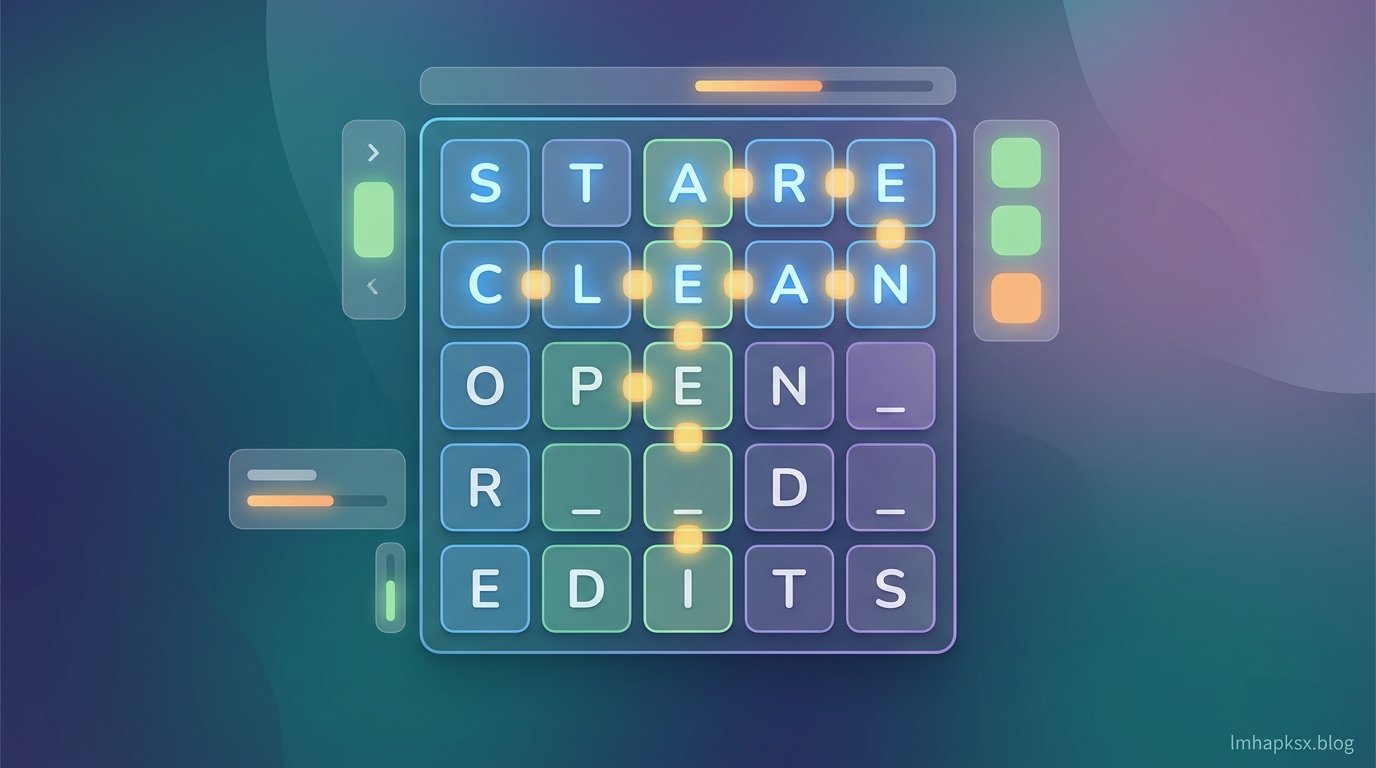
The defining feature of Squareword is its grid system, where every cell belongs to both a horizontal and vertical word. The most common format is a 5×5 grid, meaning there are five words across and five words down that must all be solved simultaneously. This creates a tightly connected puzzle where every letter plays a dual role.
At the beginning of a puzzle, some versions may include partial hints or starting letters to help guide the player. However, most of the grid remains hidden, requiring logical exploration. Because each word intersects with others, solving even a single row can unlock multiple possibilities in intersecting columns. This interdependence is what makes the structure both challenging and satisfying to complete.
Gameplay Mechanics
The gameplay mechanics of Squareword revolve around guessing valid words and receiving feedback that indicates accuracy. When a player submits a word, the game evaluates each letter’s correctness and position. Correct letters in correct positions are confirmed, while incorrect or misplaced letters provide clues for adjustment.
Unlike simple word games, every guess in Squareword has a cascading effect across the grid. A correct letter in one row may immediately help complete a vertical word elsewhere. This creates a dynamic puzzle environment where each move carries strategic weight. Players must think carefully about how each word interacts with the rest of the grid rather than focusing on a single solution at a time.
Strategy Behind Squareword
Squareword requires a mix of vocabulary knowledge, logical reasoning, and pattern recognition. Successful players often approach the game by focusing on high-probability letter combinations and common English word structures. Since each guess affects multiple directions, strategic thinking becomes essential for making efficient progress.
Instead of random guessing, experienced players tend to build the grid gradually by locking in confirmed letters and using them to guide future attempts. The process feels similar to solving a logic puzzle, where each correct decision reduces uncertainty across the entire board. Over time, players develop an intuitive sense of how words fit together in constrained grid spaces.
Difficulty and Player Experience
Squareword is widely considered more challenging than traditional word puzzles because it requires managing multiple solutions simultaneously. New players often find it overwhelming at first since a single mistake can affect several parts of the grid. However, this complexity is also what makes the game engaging and rewarding once the logic becomes familiar.
The experience improves significantly as players learn to interpret feedback more effectively. Early attempts may feel slow and uncertain, but with practice, players begin to recognize patterns and common word structures more quickly. The sense of progression comes from gradually mastering the ability to think in two dimensions rather than focusing on isolated words.
Popularity and Community Growth
Squareword has gained popularity among fans of daily puzzle games and word-based challenges. Its appeal lies in its balance between simplicity and depth, offering a familiar format that still feels fresh and mentally stimulating. Many players enjoy it as part of their daily routine, similar to other logic and vocabulary games.
Online communities have played an important role in sharing strategies, discussing difficult grids, and comparing solving experiences. Even though the game is played individually, it has a strong social element because players often discuss how they approached specific puzzles. This shared experience has helped maintain interest and keep the game relevant within the broader puzzle game community.
Educational and Cognitive Value
Squareword offers significant educational benefits by encouraging vocabulary development and logical thinking. Because players must constantly work with valid English words, they naturally reinforce spelling, word structure, and language familiarity. This repeated exposure helps strengthen language skills in an engaging way.
Beyond vocabulary, the game also supports cognitive development by improving pattern recognition and problem-solving abilities. The need to analyze multiple directions at once trains the brain to manage complex information more efficiently. Over time, regular players often become more comfortable with multi-layered reasoning tasks, making Squareword both an entertaining and mentally beneficial activity.
Read More: lmhapksx