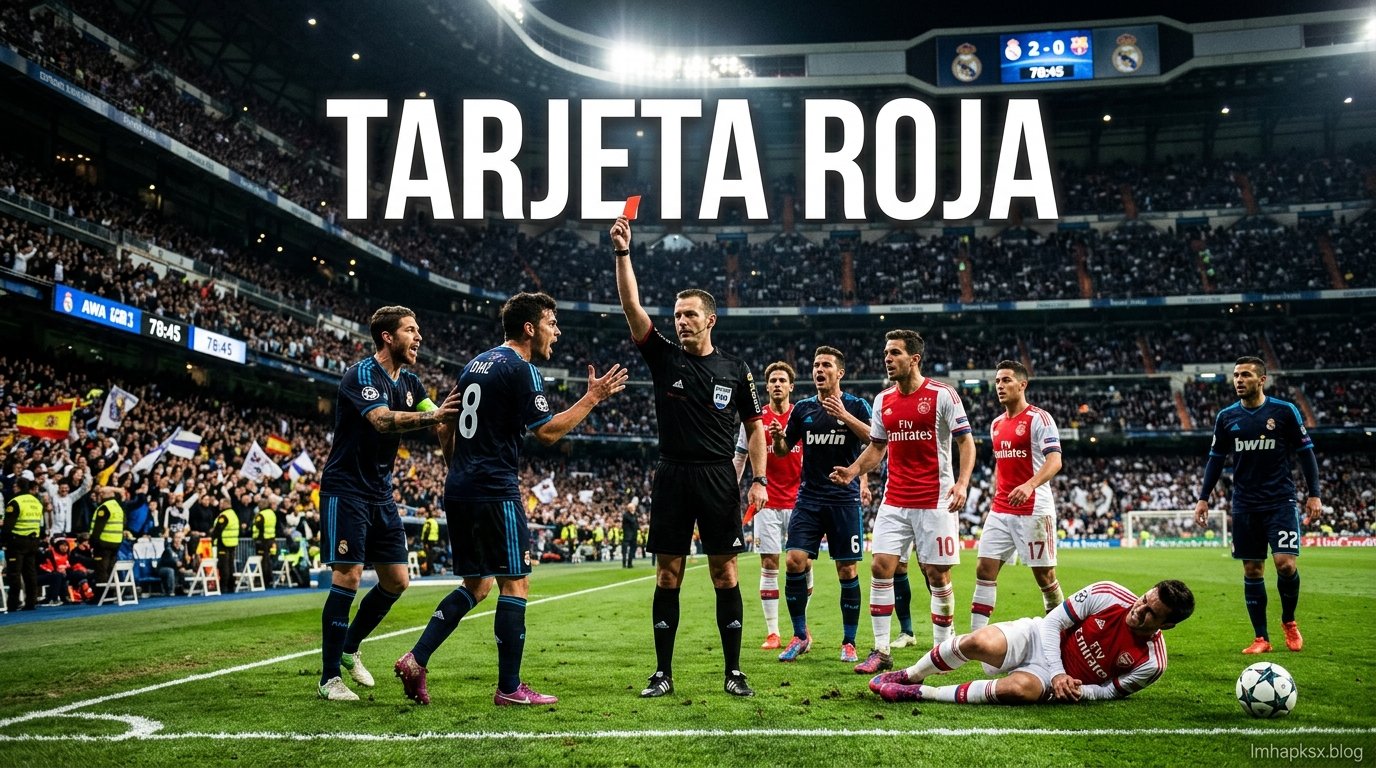
Football is one of the most watched and loved sports in the world, followed by millions of fans across every continent. The game is built on skill, teamwork, discipline, and respect for rules. Among all the symbols used in football, the “tarjeta roja,” which means “red card” in Spanish, is one of the most powerful and dramatic. A single red card can completely change a match, affect a team’s tactics, influence tournament results, and become a historic moment remembered by fans for years.
The phrase “tarjeta roja” is commonly heard in Spanish-speaking countries, football commentary, sports news, and online discussions. Even people who do not speak Spanish often recognize the term because football has become a global sport. The red card represents the strongest punishment a referee can give during a match. It is used to control dangerous behavior, maintain fairness, and protect players from serious fouls or misconduct.
Over time, the tarjeta roja has become more than just a football rule. It has turned into a symbol of discipline, authority, and controversy. Fans react emotionally when a referee raises the red card because the decision often changes the direction of the game tarjeta roja instantly. In modern football culture, red card incidents are discussed on television, social media, sports websites, and fan forums around the world.
Introduction to Tarjeta Roja
The tarjeta roja is one of the most important parts of football’s disciplinary system. When a player receives a red card, they are immediately sent off the field and cannot continue playing in that match. Their team must continue with one fewer player, which usually creates a serious disadvantage. This punishment exists to discourage violent behavior, reckless fouls, and actions that go against the spirit of fair play.
Football is a fast and emotional sport, and players often compete with intense passion. Because of tarjeta roja, referees need strong authority to maintain order during matches. The red card gives referees the power to remove players who threaten the safety of opponents or damage the integrity of the game. Without this rule, football matches could become chaotic and dangerous.
The importance of the tarjeta roja can be seen in every level of football, from local youth matches to the FIFA World Cup. Whether the match is small or internationally famous, the red card carries the same meaning. Players know that certain actions can lead to immediate dismissal, suspension, criticism from fans, and disciplinary punishment from football authorities.
What Does Tarjeta Roja Mean?
In football, a tarjeta roja means that a player has committed a serious offense deserving immediate removal from the match. Once the referee shows the red card, the player must leave the pitch and cannot be replaced by another teammate. This forces the team to continue the game with fewer players, often making it harder to defend or attack effectively.
The red card system works alongside the yellow card system. A yellow card acts as a warning for unsporting behavior, while a red card is a final punishment. Some red cards are given directly for severe fouls, while others happen after a player receives two yellow cards in the same game. Both situations lead to dismissal, but the seriousness of the incident may differ.
Fans often see the red card as one of the most emotional moments in football. Players may react with frustration, coaches may argue with referees, and supporters in the stadium may celebrate or complain loudly depending on which team is affected. Because football matches can be decided by small moments, the tarjeta roja often becomes the turning point of the game.
The History of the Red Card in Football
Before the modern card system existed, referees faced major communication problems during international football matches. Players from different countries spoke different languages, and it was difficult for referees to explain warnings or dismissals clearly. Confusion often occurred during important tournaments, creating misunderstandings between officials, players, and fans.
The solution came from English referee Ken Aston during the 1960s. Inspired by traffic lights, he created the idea of yellow and red cards. Yellow would represent caution, similar to a traffic warning light, while red would represent stop and immediate removal. The system was officially introduced during the 1970 FIFA World Cup and quickly became one of football’s most successful innovations.
The card system improved communication in football dramatically. Even without understanding the referee’s language, players and fans could instantly understand what decision had been made. Over the decades, the tarjeta roja became a universal symbol recognized across the world. Other sports later adopted similar disciplinary systems because of football’s success with colored cards.
Rules and Situations That Lead to a Tarjeta Roja
There are several reasons why a player may receive a red card during a football match. One of the most common reasons is violent conduct. If a player punches, kicks, elbows, or intentionally harms another player, the referee can immediately show a red card. Football authorities take player safety seriously, so dangerous behavior is punished strongly.
Serious foul play is another major reason for dismissal. A dangerous tackle using excessive force can injure opponents and damage the fairness of the game. Referees are trained to recognize reckless challenges, especially those involving studs-up tackles, high-speed collisions, or actions that risk severe injuries. Modern football has become stricter in punishing these fouls compared to previous decades.
Players may also receive a tarjeta roja for denying an obvious goal-scoring opportunity. For example, if a defender intentionally handles the ball or commits a foul to stop a clear chance to score, the referee may issue a red card. Offensive language, abusive gestures, insulting referees, or discriminatory comments can also result in immediate expulsion because football organizations want to protect respect and sportsmanship in the game.
Direct Red Card vs Indirect Red Card
A direct red card occurs when a player commits a severe offense that deserves immediate dismissal without any previous warning. Violent conduct, serious foul play, or aggressive behavior usually results in a straight red card. These incidents are often considered serious because they directly threaten player safety or the integrity of the match.
An indirect red card happens when a player receives two yellow cards in the same game. The referee first shows the second yellow card and then immediately follows it with a red card. Although the player may not have committed one violent action, repeated fouls or unsporting behavior can still lead to dismissal. This rule encourages players to remain disciplined throughout the match.
The consequences of red cards often continue after the match ends. Football leagues and tournament organizers usually suspend players for future games depending on the seriousness of the incident. A direct red card for violent conduct may lead to multiple-match suspensions, while a double yellow red card often results in a shorter punishment. These disciplinary systems help maintain order across entire competitions.
Impact of a Tarjeta Roja on a Football Match
A red card can completely change the balance of a football game. When one team loses a player, they must cover the same amount of space with fewer people. Coaches usually adjust tactics immediately after a dismissal. Some teams become more defensive, while others try to attack carefully despite having fewer players on the field.
The physical demands also increase after a red card. Players must run more, defend larger areas, and stay mentally focused under pressure. This often leads to fatigue later in the match. Opponents usually gain more possession and create additional scoring opportunities because they have a numerical advantage on the pitch.
Psychology plays an important role as well. The team receiving the red card may feel frustrated, angry, or discouraged, while the opposing side often gains confidence and momentum. However, football history also includes famous examples where teams with ten players defended bravely and achieved unexpected victories. These dramatic situations are part of what makes football exciting for fans worldwide.
Famous Red Card Moments in Football History
Some of football’s most unforgettable moments involve red cards. One of the most famous incidents happened during the 2006 FIFA World Cup final between France and Italy. French captain Zinedine Zidane received a red card after headbutting Italian defender Marco Materazzi. Since it was Zidane’s final professional match, the moment became one of the most discussed incidents in football history.
Many legendary players have experienced controversial red card moments during their careers. Diego Maradona, known for his passion and aggressive style, was involved in several disciplinary incidents. Sergio Ramos also became famous for receiving numerous red cards while playing as a defender in top-level football. His aggressive defending style often created debates among fans and analysts.
These incidents remain memorable because they happened during important matches with huge emotional pressure. Red cards can influence championship finals, international tournaments, and fierce rivalries between clubs. Fans continue discussing controversial dismissals years later because they often shape the story and legacy of major football events.
VAR and Modern Red Card Decisions
The introduction of VAR, or Video Assistant Referee technology, has changed how referees handle red card incidents. VAR allows officials to review video footage from multiple camera angles before confirming important decisions. If a dangerous tackle or violent action is missed during live play, VAR can recommend a review.
Supporters of VAR believe the system improves fairness and accuracy in football. Dangerous fouls that might once have gone unpunished are now more likely to result in proper disciplinary action. Referees can examine slow-motion replays to determine whether contact was intentional, reckless, or accidental. This has helped football authorities enforce stricter safety standards.
However, VAR remains controversial among some fans and players. Critics argue that long reviews interrupt the natural flow of football and reduce the emotional spontaneity of the game. Some supporters feel that technology removes part of football’s traditional human element. Despite these debates, VAR has become an important tool in modern football and tarjeta roja plays a major role in many red card decisions today.
Tarjeta Roja Beyond Football
The phrase “tarjeta roja” has expanded beyond football rules and entered broader sports culture. In many Spanish-speaking countries, the term is commonly used in sports discussions, television programs, and online communities. Fans often use the phrase metaphorically to describe punishment, rejection, or removal in everyday conversations.
The term also became associated with unofficial sports streaming websites that offered live football broadcasts online. Many football fans searched for free streaming options to watch matches from leagues such as La Liga, the Champions League, and the Premier League. These websites gained popularity because they allowed fans to access games without expensive subscriptions.
Despite their popularity, many unofficial streaming sites operate in legally questionable ways and may expose users to security risks, harmful advertisements, or unreliable streams. Sports organizations and broadcasters encourage fans to use official platforms that legally own broadcasting rights. This helps support clubs, players, leagues, and the long-term development of football worldwide.
The Future of Discipline in Football
Football continues evolving through technology, tactical changes, and updated rules. As the sport becomes faster and more physically demanding, disciplinary systems remain extremely important. Football authorities constantly review rules to improve player safety and reduce dangerous behavior during matches.
Some experts have suggested temporary suspensions or alternative punishment systems instead of traditional red cards in certain situations. Others believe the current system works well because it creates strong consequences for serious misconduct. Discussions about discipline often increase after controversial incidents in major tournaments or league matches.
The future of football discipline will likely combine human referees with advanced technology such as VAR and semi-automated systems. However, the purpose of the tarjeta roja will remain the same: protecting players, ensuring fairness, and maintaining respect for the Tarjeta Roja. Even as football changes over time, the red card will continue to be one of the sport’s most important symbols of authority and justice
Read More: lmhapksx